Carbon-Carbon Composites
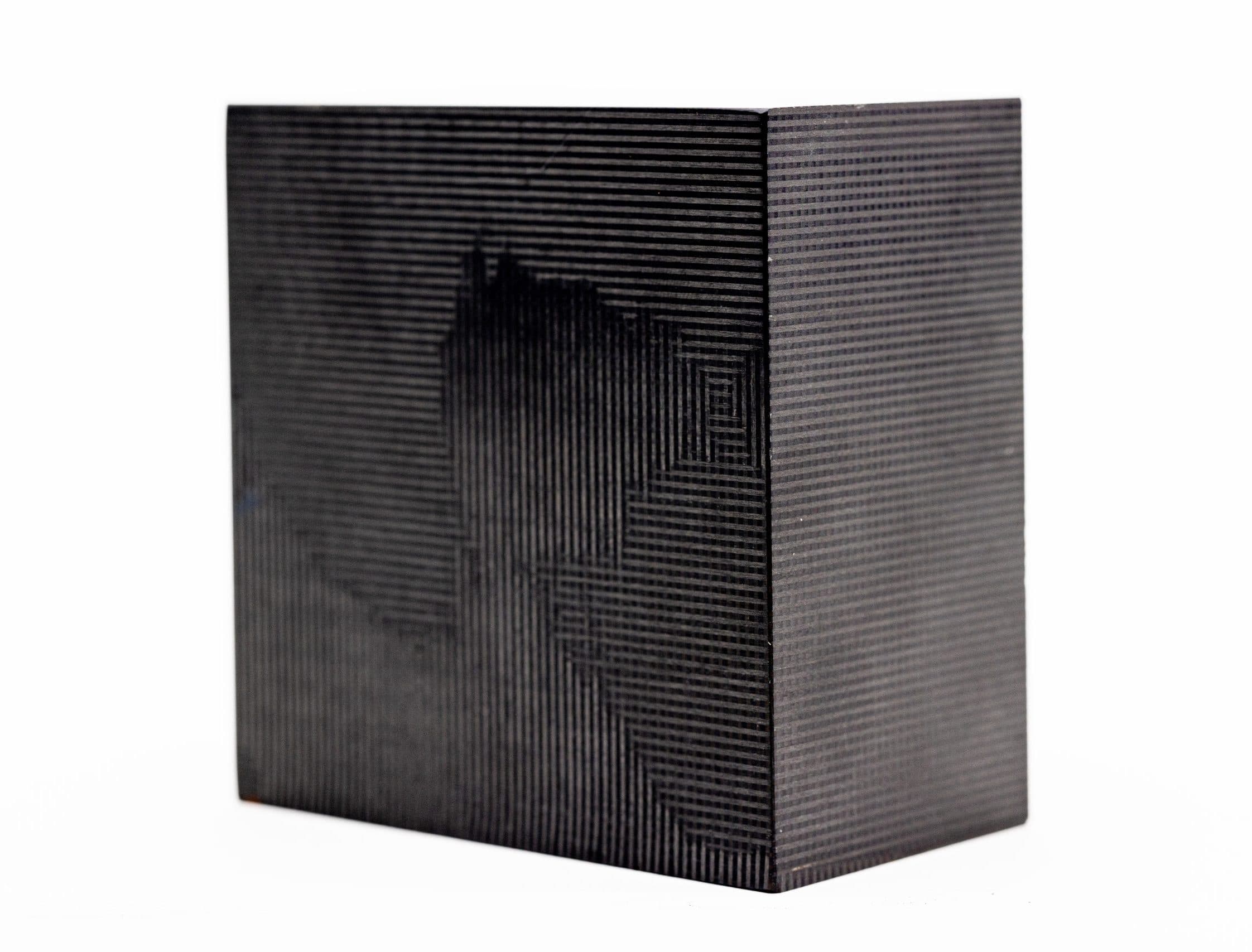
Carbon-Carbon Composites (C/C) are manufactured in 2D, 2.5D, 3D and 4D orthogonal, and cylindrical reinforcement configurations to allow versatility in preform design, yielding and optimal engineered solution for end use. 4D billet design can be sized to optimize the best cost/usage and performance of the material. It can be tailored with multiple fiber types to design in specific performance requirement utilizing hybrid technology. FMI’s preform capability includes automated weaving and fiber stretch-breaking to produce desired performance with maximum efficiency. FMI’s C/C supports numerous active defense programs, including strategic missile systems, defensive interceptor missiles, and hypersonic capable systems. Key uses can be found in thermal protection and propulsion applications. FMI’s C/C supports numerous active defense programs, including strategic missile systems, defensive interceptor missiles, and hypersonic capable systems. Key uses can be found in thermal protection and propulsion applications.
Product Details
- Customized billet architectures and designs
- Fiber selection and geometric placement for intended application
- Low throat erosion characteristics
- Exceptional mechanical strength and stability at high temperatures
- Uniform Surface ablation during motor firings
- Stable performance in motor applications
Application & End Use
- Rocket Motor throats
- Leading Edges
- Nose tips
- Aeroshells and Acreage
- Test Fixtures
- Nozzle Exit Cones
- Aircraft brakes
Advantages of choosing Carbon-Carbon Composites from FMI
Our Carbon-Carbon Composites have been the material choice for over 50 years and has been flight proven in a range of applications, making it a solution trusted by our customers. Offering a range of reinforcing fiber architectures and control of densification enables FMI to customize material designs for optimal performance and application. FMI’s carbon/carbon materials are distinguished by:
- Exceptional strength and stability at high temperatures
- Uniform and predictable ablation
- Highly characterized and well understood application performance